Christmas Botanical Elements: Illustrations for Festive Design
As a digital publisher who has spent over a decade refining the visual identity of high-traffic lifestyle blogs, I have learned that seasonal assets are not just decorative filler. They are strategic tools that signal relevance, evoke emotion, and ultimately drive engagement. When I first opened the file for Christmas Botanical Elements, my immediate reaction was one of relief. In a market saturated with cartoonish clip art and overly saturated holiday graphics, this collection offers a sophisticated, editorial approach to seasonal design. It feels less like a generic holiday greeting and more like a curated piece of modern design intended for serious content creators.
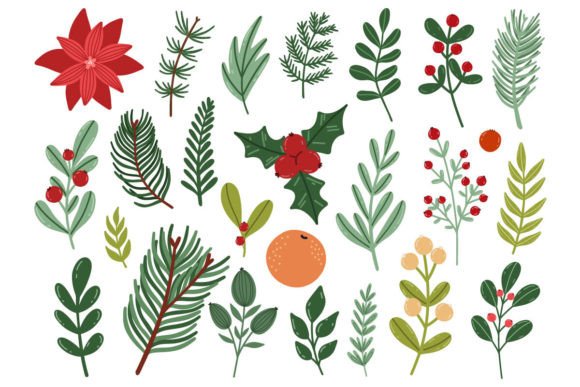
The aesthetic mood here is distinctly organic and refined. These Illustrations lean into a naturalistic style, featuring hand-drawn pine branches, holly berries, eucalyptus, and dried citrus slices rendered with delicate line work and muted, earthy tones. This creates a visual language that is both festive and professional. For bloggers and website owners in niches such as home decor, sustainable living, culinary arts, or wellness, this asset bridges the gap between seasonal cheer and brand integrity. It does not scream "holiday sale"; instead, it whispers "cozy elegance," which is far more effective for building long-term reader trust.
Elevating Editorial Design with Organic Textures
In real-world publishing workflows, versatility is king. I tested these elements across several key touchpoints in a standard content marketing funnel. The primary use case that stood out was for Pinterest pin creation. Pinterest is a visually driven search engine where vertical real estate is premium. By layering these botanical elements over soft, neutral backgrounds, I was able to create pins that stopped the scroll without obscuring the headline text. The negative space within the branching structures allows for clean typography placement, ensuring that the visual hierarchy remains intact. The eye is drawn to the title first, then guided by the organic lines toward the call-to-action.
Beyond social media, these assets shine in editorial design for blog posts. I integrated them into article headers and featured images for a series on winter hosting tips. The result was a cohesive look that elevated the perceived value of the content. When a reader lands on a page with custom, high-quality graphics, they subconsciously associate the visual polish with the reliability of the information provided. This is crucial for affiliate marketing sites, where credibility directly impacts conversion rates. Using Christmas Botanical Elements in product roundups or gift guides adds a layer of curation that generic stock photos simply cannot match.
Strategic Applications for Digital Products
For those of us who sell digital products, such as eBooks, planners, or online courses, packaging is everything. I utilized these illustrations to design cover mockups for a winter-themed digital guide. The botanical motifs framed the title beautifully, creating a sense of warmth and invitation. Furthermore, these elements are ideal for creating lead magnets and downloadable resources. Imagine a printable holiday checklist or a meal planner adorned with these subtle, artistic touches. It transforms a functional utility into a desirable printable design that users are more likely to share, thereby extending your reach organically.
If you are a designer creating templates for clients, incorporating these assets into a Canva template kit can significantly increase its market value. Small business owners often lack the time to create custom graphics from scratch. By providing them with pre-styled layouts featuring these botanical elements, you offer a solution that enhances their small business branding with minimal effort. This is particularly effective for newsletter creators looking to spruce up their December email campaigns. A header image featuring a delicate wreath of holly and pine can increase open rates by making the email feel special and timely.
Where to Use Caution in Web Design
While the aesthetic appeal is high, prudent web design requires knowing when to hold back. These illustrations are detailed and textured, which means they can become visual noise if not managed correctly. I would advise against using them on small mobile thumbnails where the intricate lines might blur or disappear. Similarly, avoid placing these elements behind dense blocks of text. The complexity of the botanical lines can compete with letterforms, reducing readability and causing eye strain for the user.
Additionally, consider the tone of your niche. If you are running a corporate finance blog or a hard-news site, these whimsical, organic elements may clash with the serious, authoritative voice of your brand. They are best suited for lifestyle, creative, educational, and consumer-focused sectors. Always ensure that the color palette of the illustrations harmonizes with your existing brand identity. If your site uses stark, high-contrast neon colors, these muted, earthy tones might look out of place unless you adjust the saturation or apply a color overlay to match your site’s CSS variables.
Practical Publisher Notes for Implementation
Before deploying any new graphic design asset across your network, rigorous testing is essential. Here is my checklist for integrating Christmas Botanical Elements into your workflow:
- Test Responsiveness: Preview the graphics on desktop, tablet, and mobile devices. Ensure the details remain crisp on retina displays but do not clutter smaller screens.
- Check Contrast: Place the illustrations against both light and dark backgrounds. Verify that there is sufficient contrast between the image and any overlay text to meet accessibility standards.
- Typography Pairing: Experiment with different font styles. These botanicals pair exceptionally well with elegant serif fonts for a classic look, or clean sans-serif fonts for a modern, minimalist vibe. Avoid overly decorative script fonts that might compete with the intricate lines of the drawings.
- Optimize File Size: High-resolution illustrations can slow down page load times. Use tools to compress images properly before uploading them to your server. Fast loading speeds are critical for SEO and user retention.
- Verify Licensing: Always confirm the commercial license terms. If you are using these assets in monetized content, affiliate pages, or products for sale, ensure you have the right to do so. Purchasing from a reputable creative marketplace usually provides this clarity, but always read the fine print.
In conclusion, Christmas Botanical Elements is a powerful addition to any content creator’s toolkit. It offers a blend of artistic charm and professional utility that supports stronger visual identity and better content performance. By using these design assets thoughtfully, you can enhance your content marketing efforts, create more clickable social media graphics, and deliver a polished user experience that resonates with your audience throughout the holiday season and beyond.