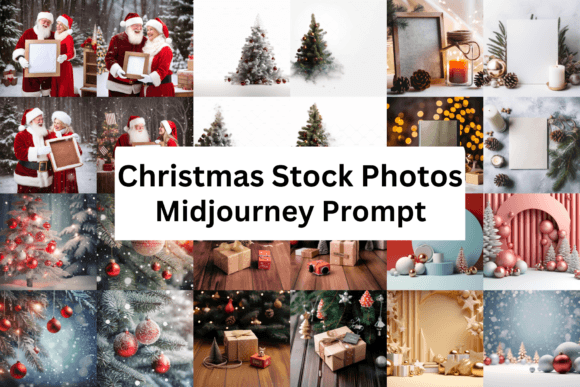
Christmas Stock Photos: AI Prompts for Illustrations
As a graphic designer who has spent the better part of two decades refining brand identities and crafting marketing visuals for everyone from boutique coffee roasters to high-volume Etsy sellers, I have developed a keen eye for what makes a digital asset truly viable. We are currently in a transitional era where Ai Prompt for Christmas Stock Photos is becoming an essential tool in our workflow. However, not all generated assets are created equal. When I recently evaluated a new set of prompts designed to generate holiday-themed imagery, my primary concern was not just aesthetic appeal, but functional utility in real-world client projects.
The first impression of this specific Ai Prompt for Christmas Stock Photos collection is one of curated warmth. Unlike the often sterile or overly saturated images found in generic stock libraries, these prompts guide the AI toward a more nuanced visual language. The mood created is intimate and nostalgic, leaning heavily into the "hygge" aesthetic that performs exceptionally well in social media graphics and lifestyle branding. For a designer, this means the resulting illustrations feel less like clipart and more like bespoke photography or hand-rendered art. This distinction is critical when working with clients who value authenticity over corporate polish.
Integrating Holiday Visuals into Brand Identity
Let’s frame this review around a realistic scenario. Imagine I am working with a handmade business specializing in organic skincare. They need a seasonal campaign for December that feels luxurious yet approachable. Using standard stock photos often results in a disjointed look that clashes with their established brand identity. Here, the Ai Prompt for Christmas Stock Photos serves as a bridge. By tweaking the prompts to include specific color palettes—such as muted sage greens and warm terracottas—I can generate background textures and prop arrangements that align perfectly with their existing packaging design.
This level of customization is where the asset shines. It is not merely about having a picture of a pine cone; it is about controlling the lighting, the depth of field, and the composition to suit a specific marketing visuals strategy. Whether I am designing a hero graphic for a website landing page or creating a series of Pinterest pins, the ability to generate consistent imagery ensures that the visual hierarchy remains intact. The audience engages more deeply when the visual tone is consistent across all touchpoints, from Instagram posts to email headers.
Versatility Across Print and Digital Mediums
One of the most significant tests for any graphic design asset is its versatility. I tested the outputs from these prompts across various mediums. For print-on-demand projects, such as t-shirt design and tote bags, the high-resolution outputs provided sufficient detail for sublimation design. The intricate details in the generated images, such as the texture of knitted fabrics or the glint of frost on glass, translated well onto physical products. For Cricut users and crafters, while the output is raster-based, it serves as an excellent reference for creating vector traces or as a background for layered sticker design projects.
In the realm of digital product creation, these prompts are invaluable for bloggers and publishers. Editorial design requires imagery that supports the narrative without overpowering the text. The Ai Prompt for Christmas Stock Photos allows for the generation of images with negative space, which is crucial for overlaying typography. I found that when used in Canva templates, these images provided a professional backdrop that elevated the perceived value of the template. For small business branding, this means you can create a cohesive look for your holiday sale announcements without hiring a photographer for a full-day shoot.
Strategic Placement and Visual Hierarchy
Understanding where to place these assets is just as important as generating them. The modern design principle of "less is more" applies here. These illustrations work best in large layout areas where they can breathe. Using them as hero graphics on a homepage or as full-bleed backgrounds for flyers allows the viewer to appreciate the detailed prompting. They are also effective as decorative accents in packaging design, where a small, high-quality image can serve as a focal point on a box or label.
However, there are contexts where caution is required. In crowded layouts or complex backgrounds, the intricate details of AI-generated images can become visual noise. If you are working on minimalist branding or professional corporate materials, ensure that the generated image does not compete with the logo or key information. Low-contrast designs can suffer if the prompt generates too many mid-tones. Always check the contrast on both light and dark backgrounds. For instance, a dark, moody winter scene might look stunning on a website but could fail miserably on a black-and-white printed invoice or a low-quality thermal receipt.
Technical Considerations for Professional Use
Before handing off any files to a client, I run through a rigorous checklist. First, test the image in black and white. This reveals whether the visual weight is balanced and if the subject matter is distinguishable without color cues. Next, preview the asset at small sizes, such as a favicon or a mobile thumbnail, to ensure readability and recognition do not suffer. For web design, file size optimization is key; AI-generated images can be heavy, so compressing them without losing quality is a necessary step.
If you are using these for a commercial design project, licensing is paramount. While the prompt itself is a tool, you must confirm the commercial license terms of the AI platform you are using. Ensure you have the rights to use the generated images for client work, especially for high-volume items like Etsy products or mass-market print-on-demand goods. Additionally, inspect the file formats. While PNG design files offer transparency, which is useful for overlaying images on colored backgrounds, SVG design formats are preferable for scalable vector graphics. If the AI output is raster-only, be prepared to trace or recreate elements if scalability is required for large-format printing.
Enhancing Emotional Appeal and Trust
Ultimately, the goal of any design is to evoke an emotional response. The Ai Prompt for Christmas Stock Photos excels in creating a sense of warmth and tradition. This emotional appeal drives audience engagement and builds visual trust. When a customer sees a cohesive, high-quality visual narrative, they perceive the brand as more professional and reliable. For small business owners, this can be the difference between a browser and a buyer.
In conclusion, this asset is a powerful addition to any designer’s toolkit. It bridges the gap between custom photography and stock imagery, offering a level of customization that supports strong small business branding. By understanding its strengths in creating mood and its limitations in complex layouts, designers can leverage these prompts to create polished, professional, and emotionally resonant holiday campaigns. Whether you are a content creator looking for unique blog visuals or a brand owner updating your seasonal packaging, this approach to AI-generated imagery offers a practical, efficient, and creative solution.